Most power cuts in Britain are short, and most households will never sit through a long one. A cut that runs past a day is still worth thinking through, because it shows you everything your home quietly takes for granted: the light switch works, the phone charges, the fridge stays cold and the heating comes on.
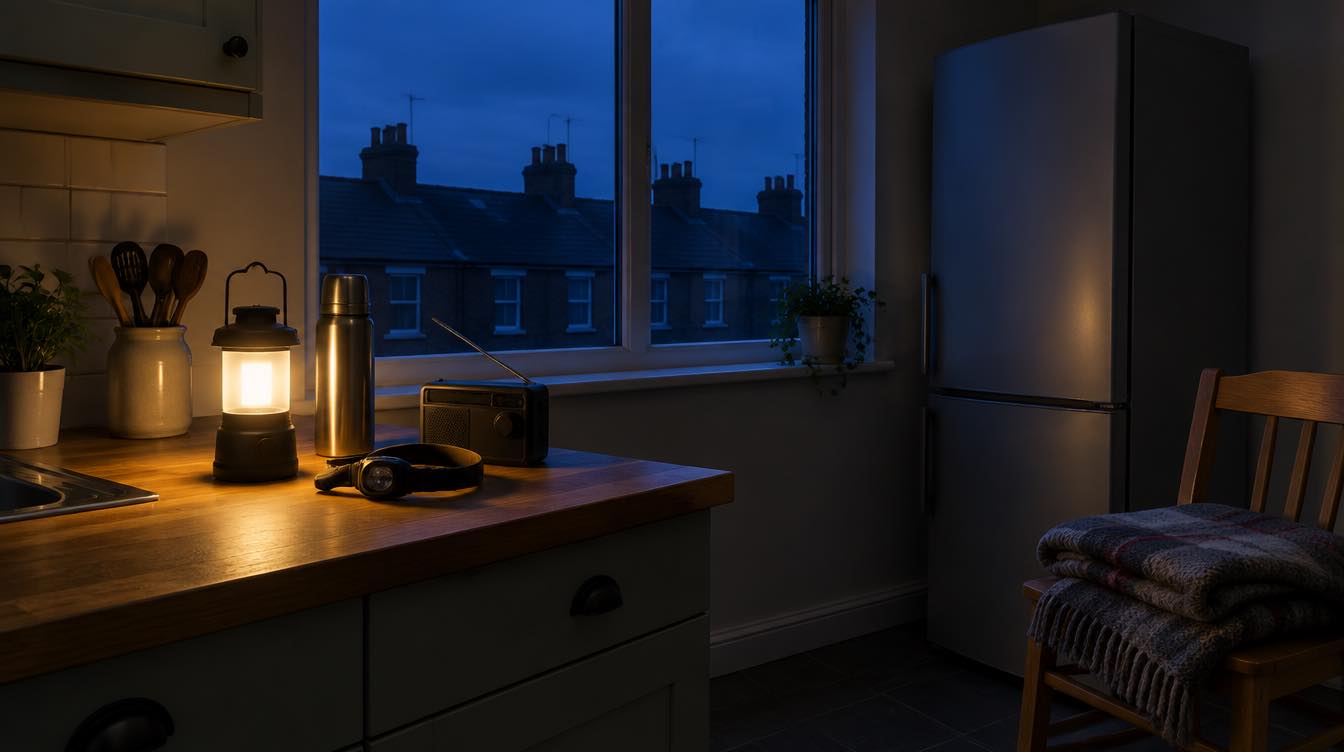
Put simply, the first four hours are easy and the second evening is where it gets hard. Most of what matters over 48 hours is cheap and a bit boring: a torch per person, a battery radio, a power bank, warm layers, a paper list of phone numbers, and knowing what to eat first. A battery power station can help, but for a lot of households it's the last thing to buy rather than the first.
How likely is 48 hours?
Not very, but it has happened, and not long ago. In November 2021 Storm Arwen cut power to just over a million customers. Most were reconnected within a day: Ofgem's review found 83 per cent were back within 24 hours. A small number waited far longer, though. Nearly 4,000 customers were off supply for more than a week, some for up to 13 days, and the review concluded that thousands of customers received an unacceptable service.
So plan for the usual case of a few hours, and make sure the plan can stretch to two days without much extra effort. That's all the 48 hours in the title is about.
The first hour
First, work out whether it's just your home or the whole street. The Met Office's power-cut advice is simple:
- Check your neighbours. If their lights are on and yours aren't, look at your fuses and trip switches. If they're off too, don't assume someone has already reported it. Call.
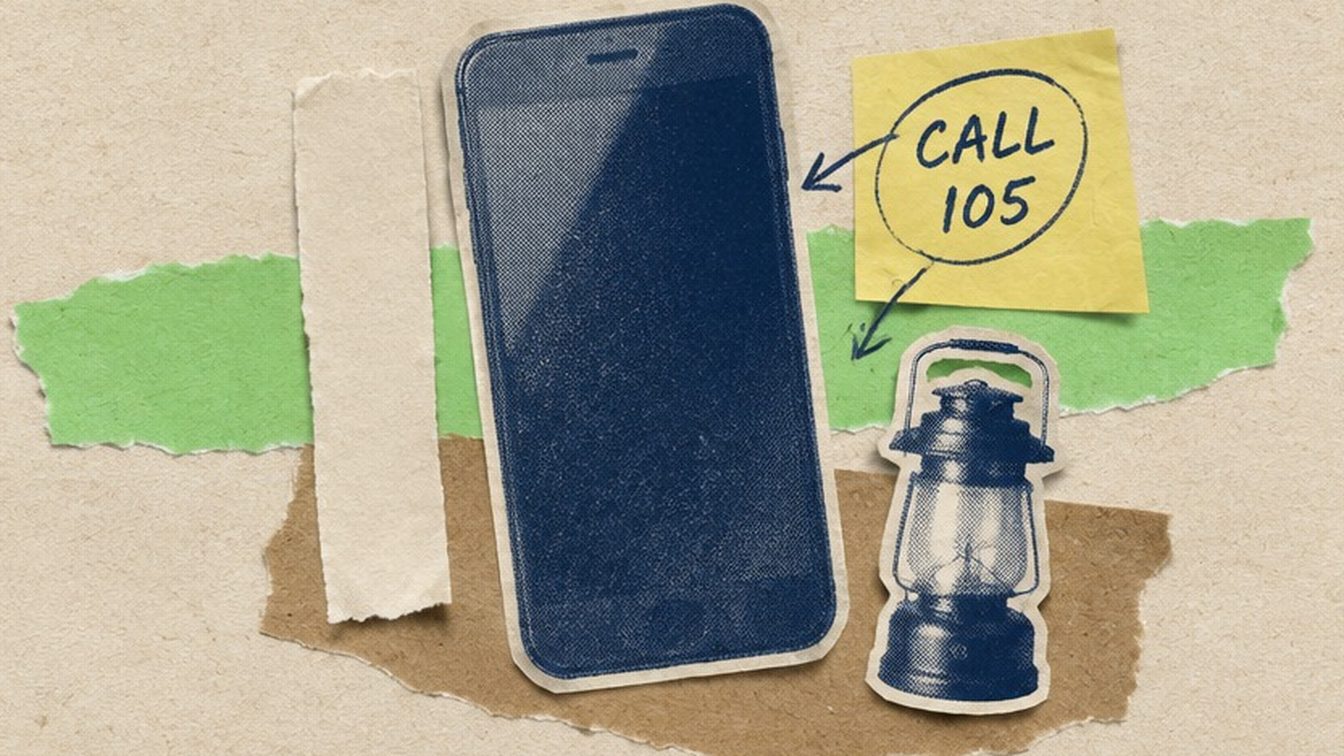
- Call 105. It's free and puts you through to your local network operator, not the company that sends your bill. (In Northern Ireland the number is 03457 643643.)
- Switch off anything that could be a hazard if the power came back while nobody was watching, such as irons, ovens, electric fires and fryers.
- Get the torches out and keep your phone charged for emergencies.
- Keep the fridge and freezer shut.
What actually stops, hour by hour
Hours 0 to 4: an inconvenience
Lights, sockets, the kettle, the oven, the electric hob, the TV and the router all go off at once. A closed fridge keeps its contents cold for around four hours, and a closed freezer for much longer. Nothing here is urgent. Use the time to charge what you can from a power bank and find the torches.
The first evening: light and warmth
This is where a modern home catches people out. A gas boiler still needs electricity for its controls and pump, so gas central heating generally stops in a power cut even though the gas is still flowing (City of York Council explains it here). Gas fires and cookers usually carry on working, and most gas hobs can still be lit by hand with a match or lighter, though it's worth checking your own model. Think about anything else that relies on a pump too, like a shower pump, a private water supply or a well.
To keep warm, Which? suggests staying in the rooms that get the sun, wearing layers, keeping moving, and closing doors and curtains to hold the heat in.
The first night: keep it safe
This is the one part of the 48 hours where cutting a corner can hurt someone. Never use a barbecue or a camping stove indoors, or in a tent, garage or any enclosed space. They give off carbon monoxide, which you can't see or smell, and the NHS is clear that you shouldn't. A camping stove is fine outside for boiling water. The UK Health Security Agency calls a carbon monoxide alarm the single most important thing you can do, so fit one anywhere you have a gas or paraffin heater.
Petrol generators follow the same rule: outdoors only, well away from windows, doors and air bricks.
Day two: contact and information
After a day without power, the gaps start to show in how you keep in touch. A digital landline won't work, and mobile coverage in a wide outage isn't guaranteed either. We explain why in what if the internet went down for seven days?. A battery or wind-up radio is the most reliable way to hear what's happening locally, and a paper list of numbers turns out to be worth more than you'd think. The government's Prepare site suggests writing down 105, the numbers of anyone you'd want to reach, a list of regular medication, the frequencies of the local radio stations you use and your insurance details, then keeping it somewhere you could find in the dark.
Food: what to eat first
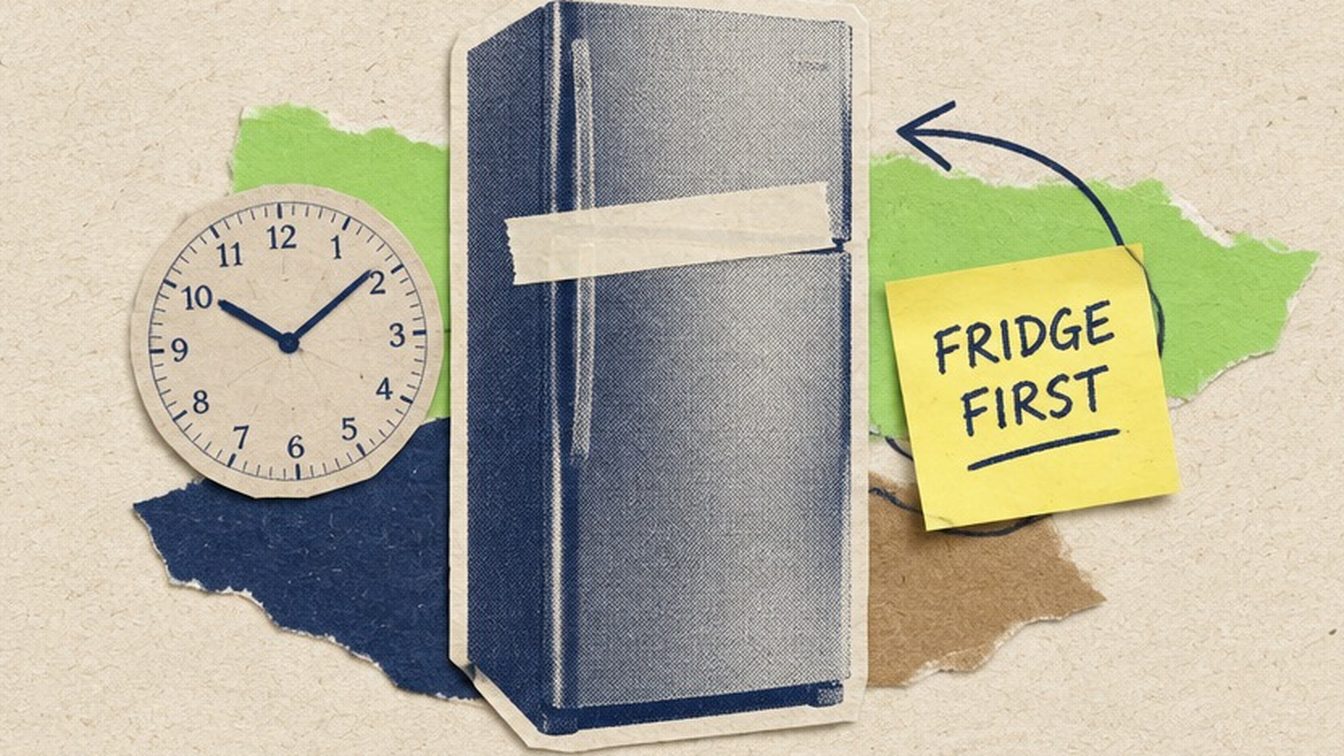
The Food Standards Agency gives the numbers to plan around. A fridge should keep food safe for up to four hours. In a power cut, food is fine in a fridge below 8°C, but once it reaches 8°C or above, some foods should go in the bin after four hours unless the power comes back first: use-by items, anything labelled "keep refrigerated" and cooked leftovers. A full freezer stays frozen for up to 48 hours, and a half-full one for about 24. The FSA is clear these are estimates that vary by make and model.
- Fridge firstAbout 4 hours if the door stays shut
- Freezer nextUp to 48 hours if full and kept shut; 24 if half full
- Cupboard lastTins and dry food need no cooling
- Call 105Free, and it reaches your network operator
That gives you an order to eat in:
- Fridge first. Eat or cook (safely) the perishable food in the first four hours if you can.
- Freezer second. Keep it shut. Fuller is better, because a full freezer lasts twice as long as a half-empty one.
- Cupboard last. Tins, dry goods and anything that doesn't need cooking or cooling.
If it's colder than 8°C outside, the FSA says food can be stored outdoors. It also points out that young children, pregnant women, older people and anyone with an underlying health condition are more at risk from food poisoning, so be stricter with what they eat.
If someone in your home relies on electricity
If anyone at home depends on electricity for medical or mobility equipment, don't wait for an outage to work out the plan. The Priority Services Register is a free service from energy and water suppliers for older and disabled people and anyone who relies on electricity for medical equipment. Being on it tells your network operator you need extra help when the supply goes, such as a battery pack or a phone call. You have to ask to be added; it doesn't happen automatically. It's also worth talking to your care team or equipment supplier about what to do if the power fails, and who to ring at 3am.
Do you need a battery power station?
Possibly not, and it's worth doing the sums before you spend anything. The unit is the watt-hour (Wh), which is watts multiplied by hours. Here's an example 48 hours, with our own assumptions marked:
- Phones: two full charges a day for two phones, at roughly 15 Wh a charge (our assumption), so about 120 Wh in total.
- Light: three LED bulbs at 8 W for five hours each evening, about 240 Wh over two nights.
- Fridge-freezer: check the energy label. A label of 250 kWh a year works out at about 0.7 kWh a day, so roughly 1,400 Wh over 48 hours. Your own label will give the real figure.
That comes to about 1.8 kWh, and the fridge is nearly 80 per cent of it. Phones and lights barely register; a power bank and a couple of rechargeable lanterns cover them for very little. The fridge is the load that decides it, and as the Food Standards Agency figures show, a closed fridge and a full freezer already get you through the first day or so if you eat in the right order.
So a power station earns its place for a specific reason: someone's medical equipment, a home office you can't afford to lose, or wanting the fridge running for the full 48 hours. If that's you, the rule is the same as in our backup power guide. Add up the watts of what you'd actually run, multiply by the hours, and buy for that number rather than the biggest box on the shelf. A folding solar panel can top a power station up, but in a British autumn or winter it'll be slow, so plan around the battery on its own.
We don't recommend a specific product here, and we haven't tested any. If we cover particular models, it'll be in a separate article, clearly labelled, with any commercial relationship disclosed at the top.
 The 48-hour kit
0 of 9 done
What you might be owed
If the power stays off long enough, you may be owed compensation. In normal weather, Ofgem says a payment can be due once you've been without power for more than 12 hours, or more than 24 hours if the fault affects more than 5,000 properties, with more for each further 12 hours. Storms have their own rules, and Ofgem reviews the amounts every year, so we don't quote a figure here; check its page for the current one. Your network operator should pay you automatically, but if you think you're owed something and it hasn't turned up, get in touch with them.
The two-futures view
The question this site keeps asking is what you can do today that helps whichever way things go, and here the answer is pretty lopsided. If the grid stays reliable, a torch, a radio, a power bank and a paper list of numbers cost a few pounds and sit in a drawer, and knowing your own household's needs costs nothing. If you do get a bad week, those same few pounds cover most of what goes wrong. It's about the cheapest insurance there is.
It ties into the rest of the energy picture too. Plug-in solar, now legal in Britain, will trim your bills in ordinary weeks, but it switches off when the grid does, so it won't keep a single light on during a cut. The two do different jobs, so be clear which one you're buying.
Plug-in solar is now legal in Britain. Is it worth it for your home?
This article plans for the grid being off. The companion piece is about the ordinary days, what a small solar kit saves, the rules you must follow, and why it can't help when the power's out.
Read itFrequently asked questions
What should I do first in a power cut?
Check whether your neighbours have power. If theirs is off too, call 105, it's free and connects you to your local network operator. If only your home is off, check your fuses and trip switches. Switch off irons, ovens and electric fires so they aren't a hazard when the power returns, keep the fridge and freezer closed, and get your torches out.
How long does food last in a power cut?
The Food Standards Agency says a fridge should keep food safe for up to four hours, and a full freezer for up to 48 hours (24 hours if half full), if the doors stay shut. These are estimates and vary by make and model. Eat the fridge food first, then the freezer, then the cupboard.
Will my central heating work in a power cut?
Generally not. Even a gas boiler needs mains electricity to run its controls and pump, so gas central heating usually stops. Gas fires and cookers are typically unaffected. Check your own appliances, and in the meantime keep warm with layers and by closing doors and curtains.
Is it safe to use a barbecue or camping stove indoors?
No. Barbecues and camping stoves produce carbon monoxide, which you can't see or smell, and the NHS says not to use them indoors or inside a tent. A camping stove is fine outdoors. Fit a carbon monoxide alarm wherever you have a gas or paraffin appliance.
Will my phone and broadband work in a power cut?
Not reliably. A digital landline that plugs into your router won't work without power, and mobile coverage in a widespread outage isn't guaranteed. Keep a power bank charged, a battery or wind-up radio, and a paper list of key numbers. Our article on the internet going down covers the landline switch-off in more detail.
Do I get compensation for a power cut?
Possibly. In normal weather, Ofgem says a payment can be due once you've been without power for more than 12 hours, or more than 24 hours if the fault affects more than 5,000 properties, with more for each further 12 hours. Storms have separate rules and the amounts are reviewed every year, so check Ofgem's page for the current figure. Your network operator should pay you automatically.
Do I need a battery power station for a 48-hour power cut?
Not necessarily. A torch, a radio and a power bank cover phones and light cheaply, and a closed fridge and full freezer last through the first day or so if you eat in the right order. A power station makes sense if someone relies on medical equipment or you want to keep the fridge running the whole time, and then the way to choose is to add up the watt-hours you'd actually use.
Where to go next
- Plug-in solar is now legal in Britain. Is it worth it for your home?: the companion piece: what it saves on ordinary days, and why it can't help in a cut.
- Backup power and solar: how to size it right: the watt-hours maths in more detail, and what each type of kit can and can't do.
- What if the internet went down for seven days?: why landlines fail in a power cut and the cheap fixes.
Sources & methodology
- Fridge (about four hours), freezer (48 hours full, 24 half full), the 8°C threshold, foods to discard, storing food outside in cold weather and higher-risk groups: Food Standards Agency, Food safety in a power cut.
- What to do first, calling 105, checking neighbours, switching off appliances, the Priority Services Register and digital landlines: Met Office, What to do in a power cut.
- Writing down key numbers, medication and radio frequencies, and 03457 643643 in Northern Ireland: GOV.UK Prepare, Get prepared for emergencies. Priority Services Register: thepsr.co.uk.
- Storm Arwen (26–27 November 2021), the 83 per cent restored within 24 hours, the nearly 4,000 customers off for more than a week and the up-to-13-day figure: Ofgem, Storm Arwen report. Other reviews of the storm use slightly different counts, because they cover different periods.
- Gas boilers needing electricity: City of York Council, heating and hot water advice. Keeping warm: Which?, What to do in a power cut.
- Carbon monoxide: NHS, carbon monoxide poisoning and UK Health Security Agency.
- Compensation thresholds (12 hours, or 24 hours where more than 5,000 properties are affected, in normal weather): Ofgem, Check if you can get a payment for a power cut, checked on 29 September 2026. Amounts are deliberately not quoted because Ofgem updates them every year.
The 48-hour energy example (about 1.8 kWh, of which the fridge is nearly 80 per cent) is our own arithmetic on stated assumptions, two phones at about 15 Wh a charge, three 8 W LED bulbs for five hours a night, and a fridge-freezer labelled 250 kWh a year, not a measurement. Replace each with your own numbers. No product has been tested by What If Hub for this article, and What If Hub earns no commission from anything mentioned. See the commercial policy.