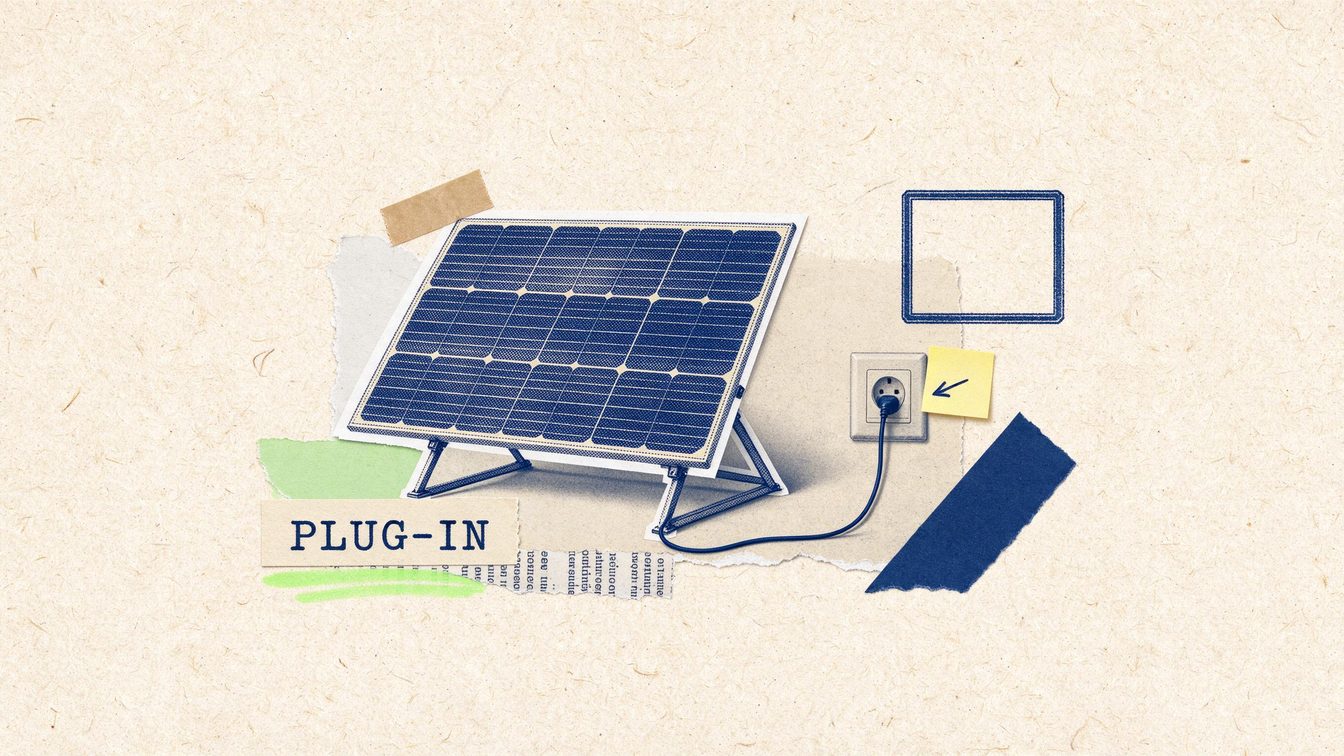
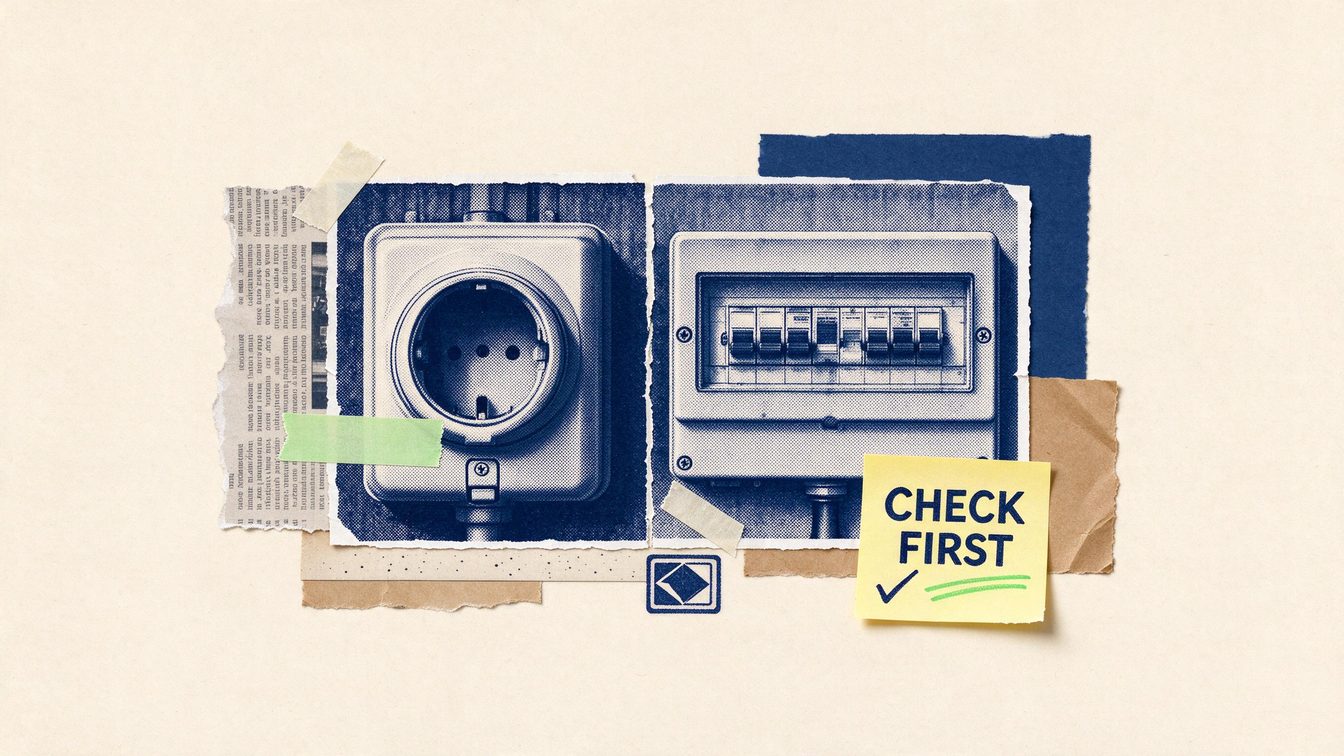
Plug-in solar is aimed at people who can't fit rooftop panels, which is a lot of renters and flat owners. The catch is that the rules aren't mainly about the technology. They're about who has to say yes, and for many people in flats, that's somebody else.
Often, yes, but get permission before you buy, not after. A landlord, freeholder or building manager can say no, and balconies are the hardest place to do it well. In England, the planning rules for flats are also stricter than for houses. This guide covers what the official sources actually say; for how to check that your electrics are ready, see the electrical checks to make first.
Renters: your landlord decides
The government's own position, when plug-in solar became legal on 27 August 2026, is that you should check whether you need permission from a landlord or building owner, a freeholder, the planning authority, or for listed building consent. It adds that decisions on whether to approve requests are a matter for landlords, freeholders or councils, and that it encourages them to consider each case on its merits. In other words: there's no right to fit one, and nobody can make your landlord agree.
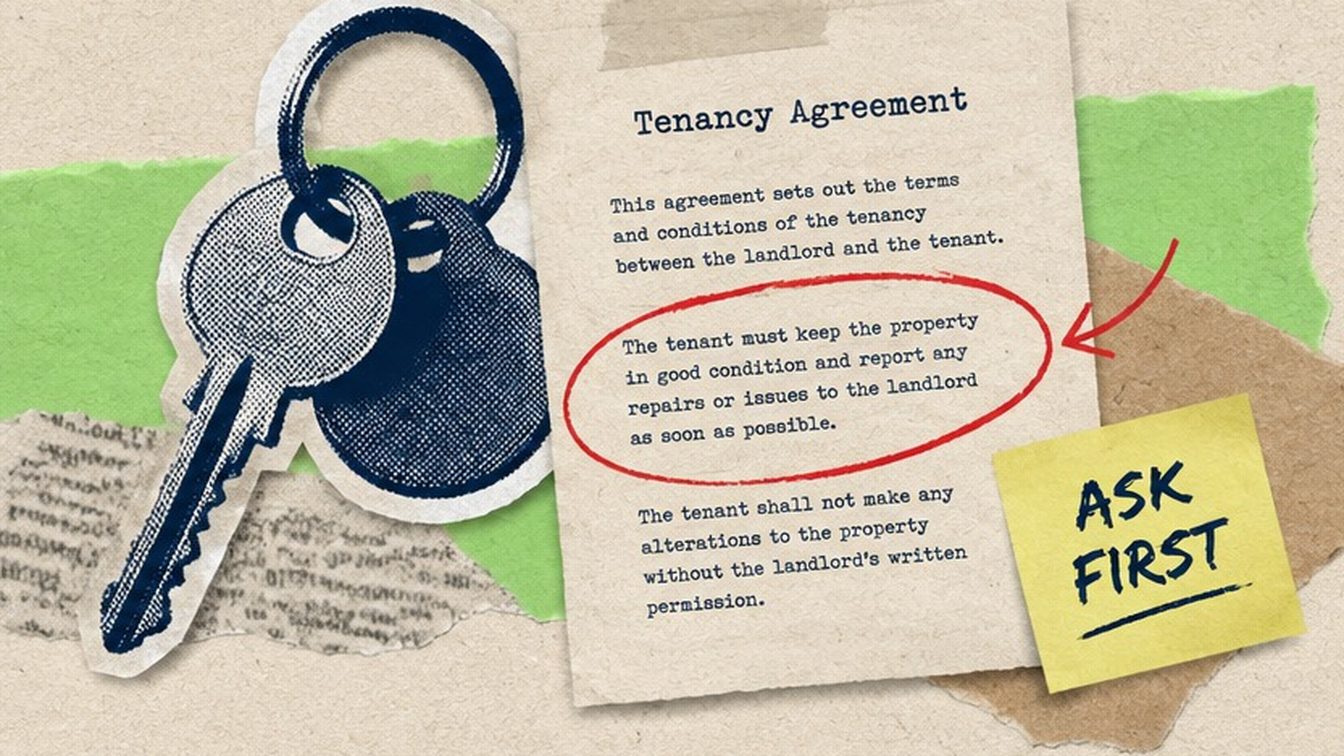
The Energy Saving Trust's checklist, written with the government, is blunt about the risk of skipping the ask. If you buy and install without permission, you may be required to remove the panels and pay for any damage, the same as with satellite dishes, EV charge points and air-conditioning units. It recommends explicit permission in particular if you'd drill into walls to fit brackets, or need an external mains socket for the device.
London Fire Brigade adds that permission may be needed under the terms of your tenancy agreement, and that an unauthorised installation could affect building safety, insurance arrangements and your rights as a tenant.
What to put in the request
A specific request is far easier to approve than a vague one. In writing, say:
- what it is: a plug-in solar kit, no more than 800 W, from the approved list, with no battery;
- exactly where it would go and how it would be fixed, including whether you'd drill anything;
- whether an outdoor socket would need fitting, and that a qualified electrician would do it;
- that you'll register it, and remove it and make good when you leave;
- that you'll tell your contents insurer, and ask whether the landlord's insurer needs to know.
Keep the reply. If the answer is yes, get it in writing.
Flat owners and leaseholders: read your lease
Owning your flat doesn't mean you can fix things to the outside of it. The Energy Saving Trust tells owners to check their lease for rules on fixing equipment to the balcony, external walls, roof, railings or communal areas; for restrictions that could affect the building's fire safety or insurance; and for limits on altering the outside of the building. The Planning Portal's note is short: leaseholders may need permission from their landlord, freeholder or management company. If there's a managing agent, ask them.
Planning rules in England
Separate from your landlord's permission, there's planning. The Planning Portal explains that on 27 August 2026 the rules for fitting solar equipment to a house, a block of flats or a building within its grounds changed, with a 12-month transition (to 27 August 2027) during which you can follow either the old rules or the new ones. Under the new rules, for a property that's part of a block of flats:
- panels must project no more than 200 mm from the wall surface;
- for plug-in solar, no part may be installed on a wooden wall, balcony or enclosure, or on any exterior clad in timber;
- panels can't go on a building within the grounds of a listed building or on a scheduled monument site;
- in a conservation area or World Heritage Site, panels can't go on a wall that fronts a highway;
- equipment should be sited to minimise the effect on the building's appearance, and removed when no longer needed.
For a house the limits differ slightly: no more than 0.2 metres beyond the wall or balcony if it faces a highway, and 0.4 metres otherwise. The Planning Portal's guidance is for England only and says policy in Wales may differ.
In Scotland and Wales we found no plug-in-specific planning rule. The Energy Saving Trust tells residents there to check the requirements that apply in their area before installing, and the sensible route is to ask your local council's planning department. In Northern Ireland plug-in solar isn't currently legal to use.
Is a balcony realistic?
The government says the panels can go in any outdoor space "or on some balconies". The Energy Saving Trust is more cautious: it notes that balconies are how plug-in solar is commonly used in Germany, but the devices currently available in the UK are more suited to garden locations than to balconies. You'd also need an appropriate frame, fixings or anchors. Before you plan for one, ask whether it really fits:
- Size and direction. Panels are typically around two metres by one, and work best facing south, unshaded. A north-facing or shaded balcony is a poor fit.
- The material. A timber balcony or timber-clad wall rules it out as permitted development in England.
- The socket. The kit must plug straight into a socket, not an extension lead. A balcony usually means an outdoor socket, which, according to the Energy Saving Trust and London Fire Brigade, needs to be weatherproof, at least IP65-rated, and fitted by a qualified electrician.
- Escape routes. London Fire Brigade says panels and equipment shouldn't block shared balconies, walkways, windows or fire escape routes, and combustible materials should be kept away from them.
- Building work. If a building has combustible cladding, timber balconies or is undergoing external wall work, the Energy Saving Trust says to talk to the building manager first, and London Fire Brigade recommends not installing until cladding works or remediation are finished.
If none of that works, a garden, patio, shed or outbuilding is the simpler option, if you have one and permission to use it.
In an emergency
London Fire Brigade notes that solar panels can keep generating during daylight even when switched off indoors. If there's a fire, avoid touching the system, move to safety, call 999 and tell them panels are installed. It also says to stop using the system immediately and report it if you notice a burning smell, overheating, buzzing, visible damage or repeated tripping.
 Before you buy, as a renter or flat owner
0 of 9 done
The two-futures view
The question this site keeps asking is what you can do today that helps whichever way things go. For renters and flat owners, plug-in solar is one of the few energy-saving options that doesn't need a roof, and, because the Energy Saving Trust notes it can move with you when you do, it doesn't tie you to one address. But it only helps on ordinary days: it switches off when the grid does. For the days the power is out, see what if the power went off for 48 hours?.
Plug-in solar is now legal in Britain. Is it worth it for your home?
This article covers who has to say yes. The main guide covers what a kit saves, the rules you must follow, and why it can't help in a power cut.
Read itFrequently asked questions
Can I use plug-in solar if I rent?
Possibly, if your landlord agrees. There is no right to fit one, and decisions are for landlords, freeholders or councils. Get written permission before you buy, especially if you'd drill into walls or need an outdoor socket fitted. If you install without permission you may have to remove it and pay for any damage.
Do I need planning permission for plug-in solar on a flat?
In England, fitting it can be permitted development if it meets conditions: no more than 200 mm from the wall surface, not on a wooden wall, balcony or timber-clad exterior, not in the grounds of a listed building, and not on a wall fronting a highway in a conservation area. For Scotland and Wales, check with your local council's planning department; we found no plug-in-specific rule.
Can I put plug-in solar on a balcony?
Sometimes. The government says panels can go on some balconies, but the Energy Saving Trust notes that the devices currently sold in the UK suit gardens better. You need permission, a proper frame and fixings, an outdoor socket fitted by an electrician, no blocking of escape routes, and in England the balcony can't be wooden.
Can leaseholders fit plug-in solar?
They may need permission from the landlord, freeholder or management company, and should check the lease for rules on fixing equipment to balconies, external walls, roofs, railings or communal areas, and for anything that affects fire safety or insurance.
Is plug-in solar legal in Scotland, Wales and Northern Ireland?
It's legal in England, Scotland and Wales, from 27 August 2026. It isn't currently legal to use in Northern Ireland. Planning rules differ across the nations, so check with your local authority in Scotland and Wales.
Does plug-in solar affect my home insurance?
It might. Both the Energy Saving Trust and London Fire Brigade say to tell your insurer, and an unauthorised installation could affect insurance arrangements. Ask whether your policy covers outdoor installations.
Can I take plug-in solar with me when I move?
Yes. The Energy Saving Trust says mounting kits are designed so you can remove them. You'd register the device again at your new address, and get permission there too.
Where to go next
- Is your home ready for plug-in solar?: the electrical checks, the register and the registration step.
- Plug-in solar is now legal in Britain. Is it worth it for your home?: what it saves and the main rules.
- What if the power went off for 48 hours?: why plug-in solar can't help in a power cut.
Sources & methodology
Everything below was read on the original pages on 30 September 2026. Rules on permissions and planning are new and may change, so check your own tenancy or lease and your local council.
- Permission, decisions being for landlords, freeholders or councils, "some balconies": DESNZ press release, 26 August 2026.
- Removing panels and paying for damage, drilling and external sockets, leases, fire safety and insurance, timber balconies and cladding, garden locations being more suitable than balconies, frames and anchors: Energy Saving Trust, plug-in solar checklist and plug-in solar guide.
- Tenancy terms, not blocking escape routes, combustible materials, IP65 sockets, cladding works, emergencies: London Fire Brigade, plug-in solar safety advice.
- England planning rules for flats and houses, the 12-month transition, timber, conservation areas, leaseholders, Wales possibly differing: Planning Portal, solar equipment mounted on a house or block of flats.
No product has been tested by What If Hub for this article, and What If Hub earns no commission from anything mentioned. See the commercial policy.