You don't have to read every guide before you start. This checklist is the shortest path across the whole plan: know your numbers, make the career moves, cover the home basics, then lock it in. Each item links to the guide behind it when you want the detail.
The 30-Day Resilience Starter

One cross-pillar checklist. Fifteen minutes to an hour per item, roughly one every couple of days. Tick things off, your progress saves in this browser.
 30-day starter checklist
0 of 12 done
Week 1, Know your numbers
Week 2, Career moves
Week 3, Home basics
Week 4, Lock it in
Frequently asked questions
How much time does each step take?
Fifteen minutes to an hour, with roughly one item every couple of days across the month. The plan is deliberately paced so it fits around a full-time job, nothing here needs a free weekend, and the twelve items are grouped into four weekly themes so you always know what you're working on.
Do I have to do the steps in order?
The weeks are ordered for a reason, week one establishes the numbers that weeks two to four spend against, so doing "know your numbers" first genuinely saves work. Within a week the order barely matters. If you already know your monthly expenses or your appliance wattages, tick those off and move on rather than redoing them.
Is my progress saved?
Yes, in this browser. Ticked items are stored locally on the device you're using, so you can close the page and come back without losing your place. Nothing is sent anywhere and there's no account to create. The trade-off is that progress doesn't follow you to another device or survive clearing your browser data, use the print button if you want a copy that does.
What does it cost to complete?
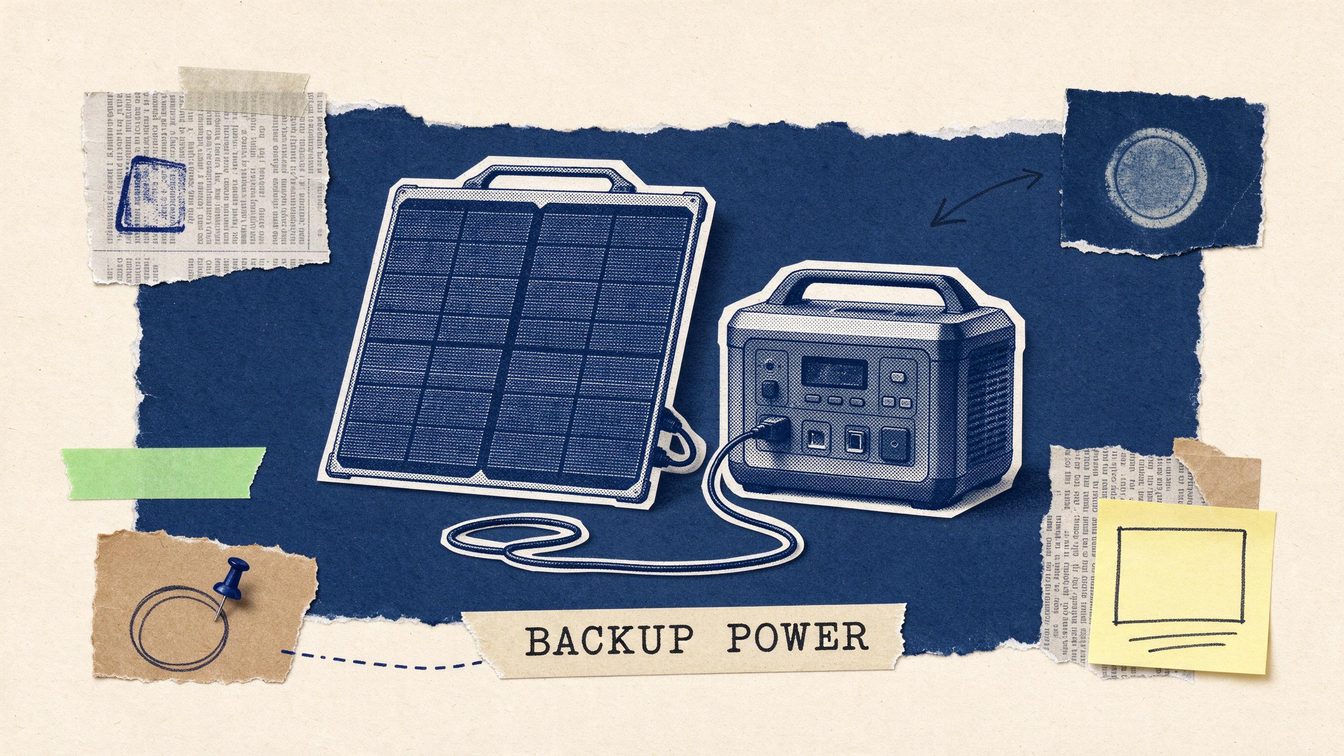
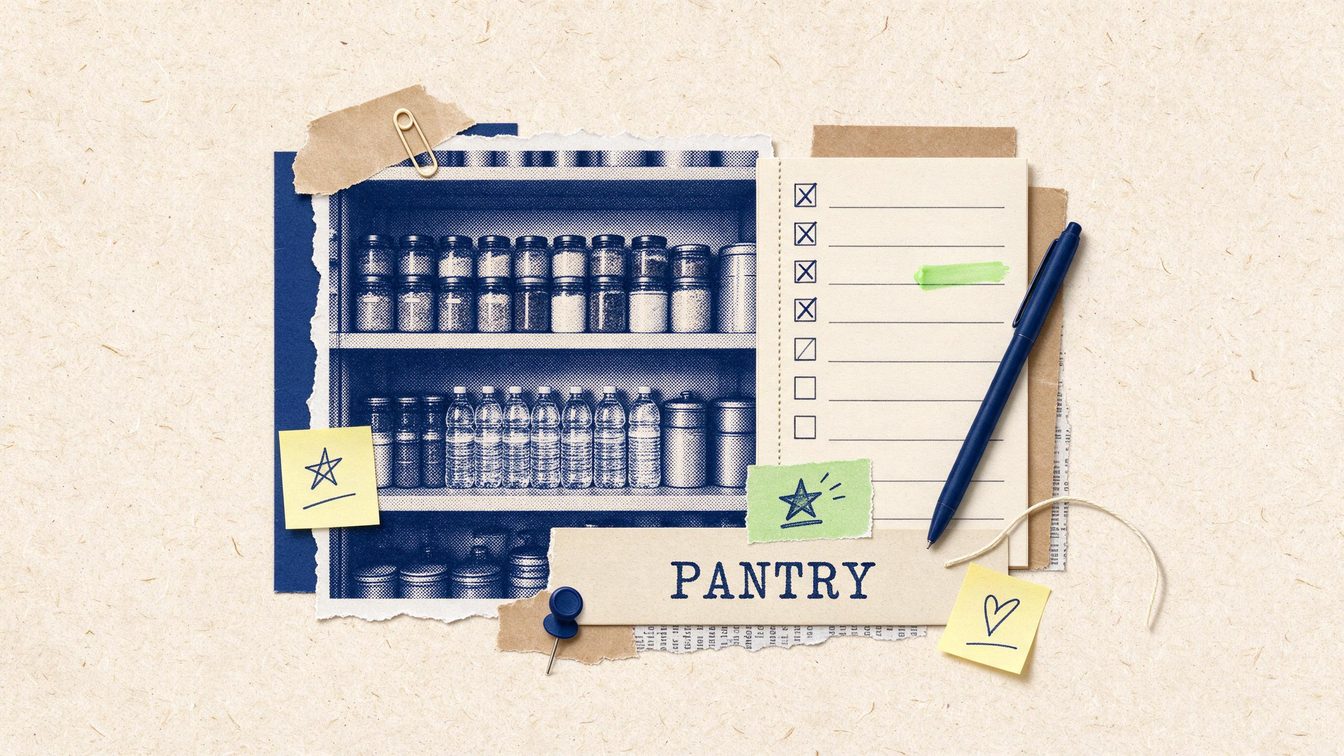
Most of it is free. Eight of the twelve items cost nothing at all, counting what you already have, listing tasks, doing the maths, writing things down. The spending decisions are concentrated in weeks three and four (pantry buffer, water storage, backup power), and each is sized by the earlier free steps precisely so you don't over-buy. That's the main reason the plan front-loads the counting.
Do I need to do both the AI side and the home preparedness side?
They're stronger together, but they work independently. The plan mixes both because the same disruption can reach your income and your household in the same season, and runway built for one is runway for all of them. If only one half is relevant to you right now, do that half, a finished six items beats an abandoned twelve.
What happens after the 30 days?
You'll have the numbers, the first purchases and a written household plan, which is the foundation, not the finish. The natural next steps are deepening whichever pillar matters most to you: extending the cash cushion and second income channel, or sizing backup power and building the pantry buffer out to the full two weeks.