Nobody can honestly tell you where energy prices are heading, and this article won't try. It isn't a purely hypothetical question, though. Ofgem raised the energy price cap by 13 per cent in July 2026 and by another 4 per cent in October, both times blaming higher wholesale gas prices. So now's a good time to understand how a spike actually reaches your bill, and which responses are worth your time.
Three things are worth knowing up front. The price cap doesn't cap your bill, it resets every three months, and a fixed tariff only protects you until it ends. What helps in a spike is mostly unexciting: know which tariff you're on, use less, claim what you're entitled to, and tell your supplier early if you're struggling.
Where prices are now
On 26 August 2026 Ofgem announced that the cap for 1 October to 31 December would rise 4 per cent. For a typical household on gas and electricity paying by Direct Debit, that takes the annual bill from £1,663 to £1,723. That's an extra £60 a year, or about £5 a month, if the level held for a year. Ofgem says the rise reflects higher wholesale gas prices, which it puts down to the ongoing conflict in the Middle East, and that wholesale prices rose 11 per cent over the previous three months.
- £1,723 a yearTypical bill on a default tariff from 1 October (Ofgem)
- Rates, not billsThe cap limits unit rates: use more, pay more
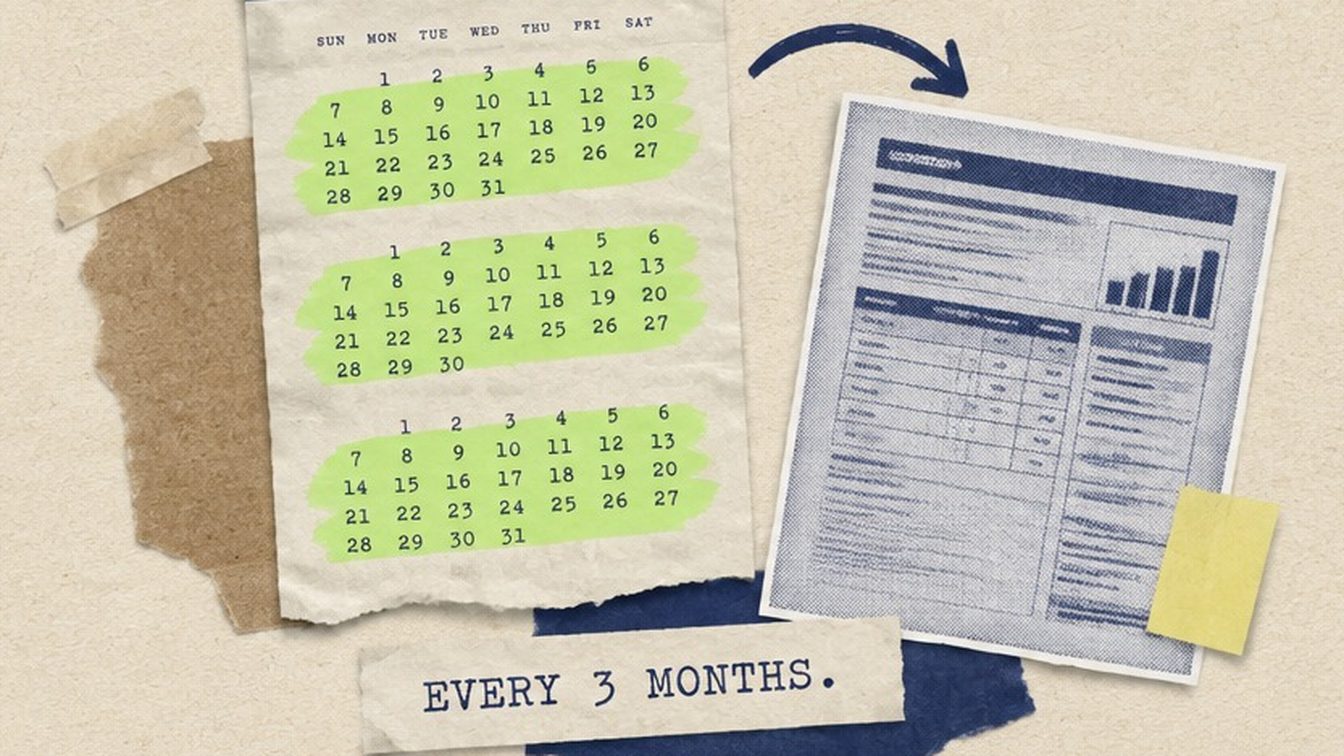
- Every 3 monthsThe next announcement is on 25 November
- Fixed tariffsThe cap doesn't apply to them
That came on top of a 13 per cent rise in July. Ofgem's May announcement said gas prices would rise 24 per cent and electricity about 5 per cent. It also noted that electricity is rising by less than gas this time, unlike in the 2022 crisis, because more of it now comes from renewables and the system leans less on gas.
If you're comparing numbers, two things have changed underneath them:
- The yardstick moved. In July Ofgem lowered its "typical household" usage after finding people use about 7 per cent less electricity and 17 per cent less gas than at its last review. On the new basis a typical household uses 2,500 kWh of electricity and 9,500 kWh of gas. On the old basis, the same October cap would be £1,935 rather than £1,723: the same prices, measured against a smaller household.
- VAT changed. The government removed VAT from domestic electricity from 1 October 2026 to 31 March 2027, which Ofgem says takes about £45 a year off what the cap would otherwise be. Gas still carries 5 per cent VAT, and Ofgem says this means costs can't be compared directly with earlier periods.
For a sense of scale, Ofgem says the cap is still 52 per cent below its 2022 peak, but 7 per cent higher than a year ago once inflation is taken out.
How a spike reaches your bill
The price cap is widely misunderstood, so here's exactly what it does, according to Ofgem's explainer:
- It caps the unit rate and the standing charge a supplier can charge on a default (standard variable) tariff. It does not limit your total bill. Use more, pay more.
- It's reset every three months, based on the cost of buying energy on the wholesale market, the cost of the networks, government scheme costs, the supplier's running costs, profit and a safety margin. Wholesale gas is the part that jumps around.
- It doesn't protect you if you're on a fixed tariff, a business contract, a heat network, or heating oil.
- It applies in England, Scotland and Wales.
As Citizens Advice explains, suppliers usually move their default rates in line with the cap, so when wholesale costs go up, your rate typically follows at the next reset. Those rises don't have to be small, either. Here's what a typical bill is made of, using Ofgem's October rates and its typical usage:
- Electricity: 2,500 kWh at 26.32p, about £658
- Gas: 9,500 kWh at 7.97p, about £757
- Standing charges: (54.83p + 29.68p) a day for a year, about £308
That adds up to roughly £1,723, which matches Ofgem's headline figure. It also shows that about 18 per cent of a typical bill is standing charge, which you pay however little you use. That's why our home efficiency guide says to read your bill in two parts: efficiency only shrinks the unit-rate part.
What 2022 showed
The recent rises look small next to 2022. The House of Commons Library records that average bills rose 54 per cent in April 2022 and another 27 per cent in October 2022, and that the October rise would have been 80 per cent without government help. Put the two together and a typical bill nearly doubled (our arithmetic: 1.54 × 1.27 is about 1.96).
Two things from that period are worth remembering. The peak was softened by a government price guarantee, which was a policy choice rather than a permanent feature, and nothing says it'll happen again. In July the government said any further action, including longer-term measures, would come at the Budget. And prices never went back to where they were: the Commons Library says the October 2026 cap leaves typical bills 58 per cent above their winter 2021/22 level.
What a bigger rise would mean
Just to make it concrete, here's some simple arithmetic on the £1,723 typical bill. These are illustrations, not forecasts:
- A 20 per cent rise would add about £345 a year, or £29 a month.
- A 50 per cent rise would add about £862 a year, or £72 a month.
Whether that's annoying or a real problem depends on your household's floor, meaning how much of your income is already spoken for. That's the idea behind what if your income halved tomorrow?, and energy is one of the few big commitments you can actually shrink.
What helps, in a sensible order
1. Know what you're on
Find out whether you're on a default tariff or a fixed one, what your unit rates and standing charges are, and when any fixed deal ends. Everything else depends on this, and plenty of people don't know.
2. Think carefully about fixing
A fixed tariff charges the same unit rate and standing charge until it ends. Citizens Advice says it usually lasts 12 months, and if prices fall you could end up paying more than you would on a default tariff. Leave with 50 days or more to run and you might pay an exit fee; with 49 days or fewer you can switch for free. Check what you'll be moved to when it ends. In August, Ofgem said fixed tariffs were available at £100 or more below the October cap. Treat that as a snapshot that will have moved, not a recommendation. Nobody can time the market, so weigh peace of mind against the chance of overpaying, and read the exit terms before you sign. Ofgem's switching guide is a good place to start.
3. Check the payment method and the tariff type
Ofgem has said that moving from standard credit to Direct Debit could save around £143 on your bills, and that prepayment customers pay the lowest cap rates, about £45 less than Direct Debit customers. Pick whatever suits your budget and meter. If you have a smart meter, some suppliers offer half-price or cheaper electricity at weekends or off-peak, which only pays off if you can shift when you use power.
4. Use less
Ofgem's own review found households now use about 7 per cent less electricity and 17 per cent less gas than at its last review, which it links to better efficiency, warmer weather and higher prices. The free and cheap fixes in our home efficiency guide, like boiler flow temperature, draught-proofing and timers, pay back fastest and work whatever prices do.
5. Make a little yourself
When prices rise, every kilowatt-hour you generate and use yourself is worth more. Plug-in solar is now legal in Britain, and the Energy Saving Trust estimates it can save roughly £70 to £100 a year, based on an electricity price of 24.7p per kWh. It's a small saving, but it grows with the price of electricity. It does nothing in a power cut, though.
6. Claim what you're entitled to
The Warm Home Discount is a one-off £150 off your electricity bill for eligible households. Most people who qualify get it automatically, it reopens in October 2026, and it isn't available in Northern Ireland; Scotland has its own rules. Check the eligibility criteria on GOV.UK rather than assuming you won't qualify.
7. Talk to your supplier before you fall behind
Ofgem's advice is blunt: if you're struggling, contact your supplier as soon as you can. Suppliers have to do all they can to help, which can include a tailored repayment plan, emergency credit, or pointing you to financial help and debt advice. Ask early. It's a much easier conversation before you've missed a payment than after.
 If your bills jump
0 of 9 done
The two-futures view
The question this site keeps asking is what you can do today that helps whichever way things go, and energy prices are a good example. If the market calms down and the grid keeps getting cleaner (Ofgem itself credits renewables with holding down electricity's share of the rises), then knowing your tariff, using less and generating a little cost you nothing to have done. If prices spike again, those same habits are what stand between a rise and a real problem. None of it is dramatic, and it's useful either way.
What actually cuts a UK energy bill
This article looks at how a price rise reaches you. The companion piece is the response, the order to do things in, with the free and cheap fixes first, and the things that barely matter.
Read itFrequently asked questions
Are energy prices going up again?
The price cap rose 13 per cent in July 2026 and 4 per cent in October, both because of higher wholesale gas prices according to Ofgem. Ofgem announces the next cap, for January to March 2027, on 25 November 2026. Forecasts of what it will be change constantly, so treat any prediction with caution and check Ofgem's announcement.
What is the energy price cap?
It's the maximum a supplier can charge per unit of energy, plus a daily standing charge, on a default (standard variable) tariff in Great Britain. It's reset every three months. It doesn't limit your total bill (the more you use, the more you pay) and it doesn't cover fixed tariffs, business contracts, heat networks or heating oil.
Should I fix my energy tariff?
It depends, and nobody can time the market. A fixed tariff gives you a predictable rate until it ends, usually after 12 months. But if prices fall you may pay more than on a default tariff, you might pay an exit fee if you leave early, and you should check what you'll be moved to when it ends. Compare the terms, not just the price.
Do I get the VAT cut on electricity if I'm on a fixed tariff?
Yes. Ofgem says the removal of VAT from domestic electricity also benefits customers on fixed tariffs, with the discount applied automatically by suppliers. It applies to electricity only, from 1 October 2026 to 31 March 2027; gas still carries 5 per cent VAT.
What is the Warm Home Discount?
A one-off £150 discount off your electricity bill for eligible households. Most people who qualify get it automatically, it reopens in October 2026, and it isn't available in Northern Ireland. Scotland has different eligibility rules. Check GOV.UK for the current criteria.
What should I do if I can't pay my energy bill?
Contact your supplier as soon as possible, ideally before you miss a payment. Ofgem says suppliers must do all they can to support customers, which can include a tailored repayment plan, emergency credit, or routes to financial assistance and debt advice. Citizens Advice can also help.
Will the government step in if prices spike?
Nobody can say. In 2022 the government introduced a price guarantee that limited a much larger rise, but that was a policy decision, not a standing rule. In July 2026 the government said any further action, including longer-term measures, would be taken at the Budget.
Where to go next
- What actually cuts a UK energy bill: the companion piece: the order to do things in, free fixes first.
- Plug-in solar is now legal in Britain. Is it worth it for your home?: making a little of your own.
- What if your income halved tomorrow?: why lowering your floor matters, and how to work yours out.
Sources & methodology
All figures were read from the pages below on 29 September 2026. Energy prices, VAT treatment and support schemes change often, so check the current position on Ofgem's and GOV.UK's pages before acting.
- October 2026 cap (4 per cent, £1,663 to £1,723, wholesale gas +11 per cent in three months, 52 per cent below 2022, 7 per cent higher in real terms than a year earlier, fixed tariffs about 11 million households, £45 VAT effect, fixed tariffs at £100 or more below the cap, prepayment about £45 cheaper): Ofgem press release, 26 August 2026. Unit rates, standing charges and next announcement dates: Ofgem, Changes to energy price cap 1 October to 31 December 2026.
- July 2026 cap (13 per cent, gas +24 per cent, electricity about +5 per cent, renewables, Direct Debit saving of around £143 on bills): Ofgem press release, 27 May 2026. That figure is measured on Ofgem's old usage basis.
- What the cap does and doesn't cover, and what it's made up of: Ofgem, Energy price cap and standing charges explained. Typical usage of 2,500 kWh electricity and 9,500 kWh gas and the 7 per cent and 17 per cent falls in use: Ofgem, Review of typical domestic consumption values.
- VAT removed from domestic electricity, 1 October 2026 to 31 March 2027, and further action at the Budget: GOV.UK press release, 21 July 2026.
- 54 per cent (April 2022), 27 per cent (October 2022), 80 per cent without intervention, 58 per cent above winter 2021/22: House of Commons Library, Gas and electricity prices during the energy crisis and beyond.
- Fixed and variable tariffs, exit fees (50 days or more), what happens when a fixed deal ends: Citizens Advice, Choosing your energy tariff. Switching: Ofgem, Switch energy supplier.
- Warm Home Discount: GOV.UK. Plug-in solar savings: Energy Saving Trust.
The bill breakdown (about £658, £757 and £308 adding to £1,723, and the 18 per cent standing-charge share), the 20 and 50 per cent scenarios and the 1.96 multiple are our own arithmetic on Ofgem's published rates, not forecasts. They use averages across Great Britain; your own rates depend on where you live, how you pay and your meter. What If Hub is not regulated to give financial advice, and earns no commission from any tariff, supplier or product mentioned. See the commercial policy.